


“Being a parent is discovering strengths you didnt know you had,
and dealing with fears you never knew existed.”



The Link Between the Decline in Free Play and Childhood Anxiety
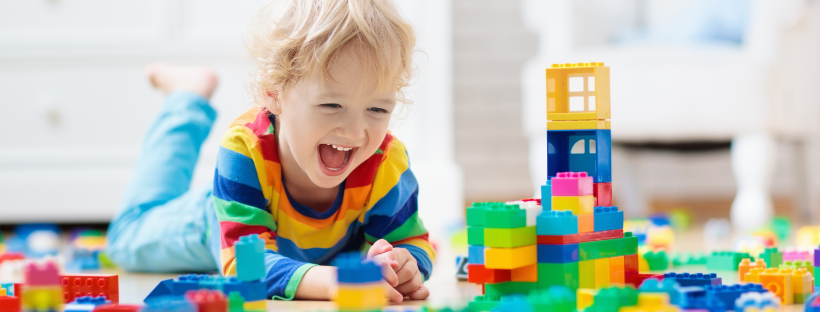
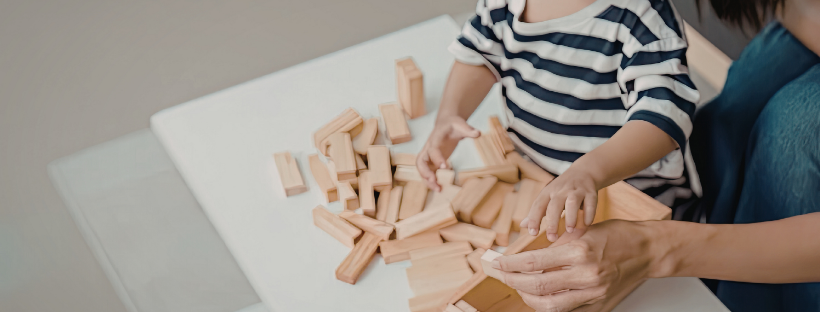
In today’s fast-paced world, children’s lives are more structured than ever. Between school, extracurricular activities, and screen time, free play—the unstructured, spontaneous activity that children engage in for fun—is on the decline. While organised activities have benefits, research suggests that the loss of free play is contributing to rising childhood anxiety.
Free play is vital for emotional and psychological development. It helps children build problem-solving skills, resilience, and creativity. It also fosters emotional regulation as children navigate social interactions, negotiate rules, and manage minor conflicts.
The Rise of Structured Activities and Screen Time
Over the past few decades, there has been a shift towards highly structured activities. Parents, often with good intentions, enrol children in multiple classes, sports, and academic programmes, leaving little room for self-directed play.
At the same time, digital technology has changed how children spend free time. Instead of playing outside or engaging in imaginative activities, many children now spend hours on screens, reducing opportunities to develop autonomy and resilience—key factors in emotional well-being.
The Connection to Childhood Anxiety
Anxiety among children is on the rise, with increasing rates of diagnosed anxiety disorders.
Without unstructured play, children miss out on opportunities to develop coping skills. Free play allows them to experience small, manageable stresses—such as losing a game or resolving a disagreement—which build emotional resilience. Without these experiences, children may struggle with real-world challenges and become more prone to anxiety.
Additionally, highly structured environments place external expectations on children, leading to increased stress. In contrast, free play allows them to set their own goals, make decisions, and gain a sense of control over their environment—factors that reduce anxiety.
Studies support the link between declining free play and rising childhood anxiety:
Boston College professor Peter Gray has studied how reduced playtime correlates with higher levels of anxiety and depression. His paper, ‘The Decline of Play and the Rise of Psychopathology in Children and Adolescents’, highlights this trend.
A 2023 Journal of Paediatrics commentary further argues that fewer independent activities contribute to rising mental health issues.
A study in Child Psychiatry & Human Development suggests that risky, adventurous play helps children develop coping mechanisms for anxiety. It teaches them how to manage uncertainty, reducing long-term anxiety risks.
Active For Life reports that increased screen time is linked to higher levels of irritability, hyperactivity, inattention, depression, and anxiety in children. Reduced outdoor playtime exacerbates these negative outcomes.
Encouraging More Free Play
Parents and educators can help by prioritising unstructured time in children’s schedules. Encouraging outdoor play, reducing excessive extracurricular commitments, and limiting screen time create more opportunities for spontaneous activities.
By recognising the importance of free play, we can help nurture resilient, confident, and mentally healthy children. Allowing kids the freedom to explore, imagine, and play may be one of the simplest yet most powerful ways to combat childhood anxiety.
References:
Dodd, H., Lester, K.J. (2021). Adventurous Play as a Mechanism for Reducing Risk for Childhood Anxiety: A Conceptual Model. Clinical Child and Family Psychology Review; vol 24; no. 7.
Gray, P. (2011). The Decline of Play and the Rise of Psychopathology in Children and Adolescents. American Journal of Play; vol 3; no. 4.
Gray, P., Lancy, D.F., & Bjorklund, D.F. (2023). Decline in Independent Activity as a Cause of Decline in Children’s Mental Well-being: Summary of the Evidence. The Journal of Pediatrics, Vol. 260.
Monette, R. (2024). The Anxious Generation: It’s time to protect children against social media. https://activeforlife.com/the-anxious-generation/


Want more articles?
Visit the CPH&P Director, Louise Shalders’ website to read more of her articles related to Perinatal Health & Parenting. She is passionate about providing quality reading…